- When it comes to borrowing money, even small mistakes can quietly damage your financial health. Loan Mistakes That Can Hurt Your Credit Score is something every borrower should understand before applying for or managing a loan.
- At Brightside Loans, Chicago, we believe informed borrowers make stronger financial decisions.
- This guide explains common loan mistakes, how they impact your credit score, and how you can avoid them to stay financially strong and financially confident.
- Why Your Credit Score Matters Your credit score is more than just a number.
- It affects your loan approvals, interest rates, housing opportunities, and sometimes even employment screenings.
When it comes to borrowing money, even small mistakes can quietly damage your financial health. Loan Mistakes That Can Hurt Your Credit Score is something every borrower should understand before applying for or managing a loan. At Brightside Loans, we believe informed borrowers make stronger financial decisions. This guide explains common loan mistakes, how they impact your credit score, and how you can avoid them to stay financially strong and financially confident.
Why Your Credit Score Matters
Your credit score is more than just a number. It affects your loan approvals, interest rates, housing opportunities, and sometimes even employment screenings. A higher score builds trust with lenders, while a lower score can make borrowing expensive and difficult. Understanding how your financial behavior shapes your credit profile is the first step toward long-term financial stability.
Quick Check: Do you know your credit score range — Excellent, Good, Fair, or Poor? Knowing where you stand helps you make smarter financial decisions.
Common Loan Mistakes That Hurt Your Credit Score
1. Missing or Late Payments
Your payment history is the most important factor affecting your credit score. Even one missed payment can stay on your credit report for years and reduce your credibility as a borrower. Many people underestimate how quickly a single delay can impact long-term financial health.
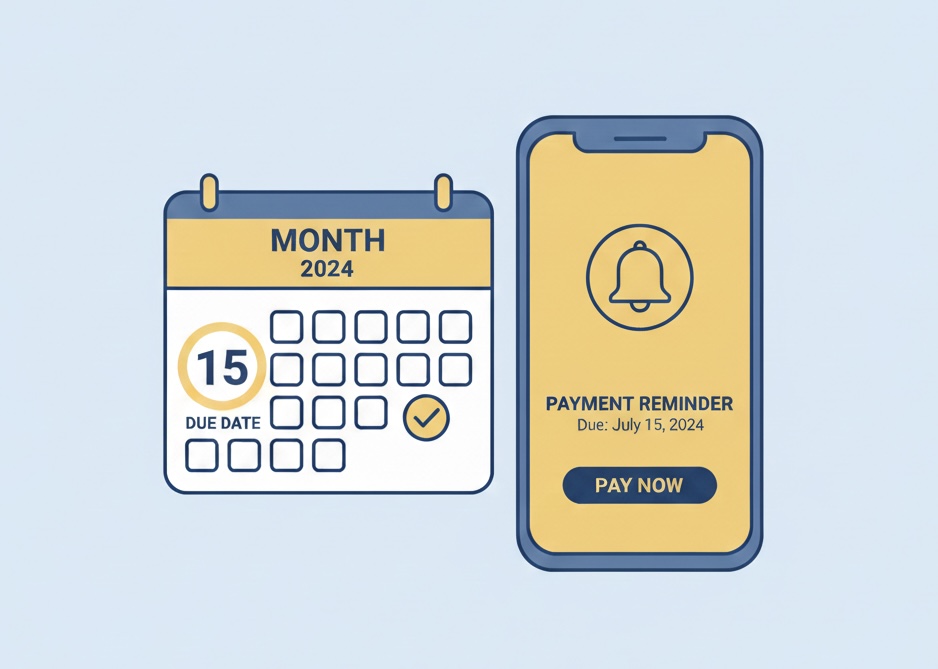
Avoid it: Set automatic payments, alerts, or reminders so you never miss a due date.
2. Borrowing More Than You Can Afford
Taking a loan without evaluating your repayment ability often leads to financial stress and missed payments. When debt becomes unmanageable, your credit utilization rises, which negatively impacts your score.
Smart tip: Keep total monthly loan payments below 30% of your income.
3. Applying for Too Many Loans at Once
Each loan application triggers a hard inquiry on your credit report. Multiple inquiries within a short time signal financial risk and may lower your score. It can also make you appear financially unstable to lenders.
Better approach: Research loan options carefully and apply only when necessary.
4. Ignoring Your Credit Report
Many borrowers fail to review their credit reports regularly, allowing errors or fraud to go unnoticed. Incorrect information, duplicate accounts, or outdated balances can silently reduce your credit score.
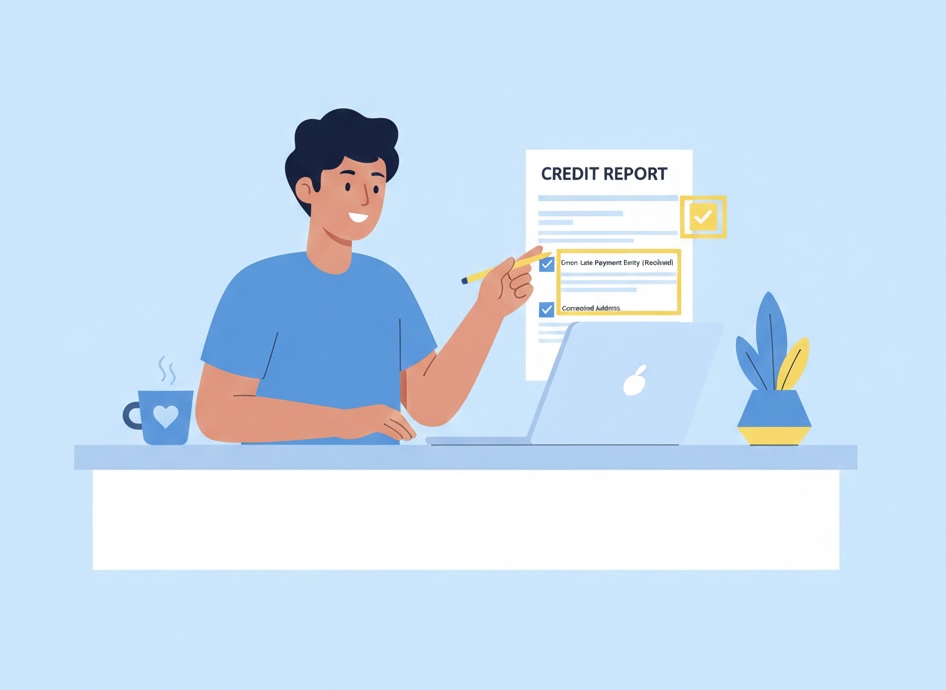
Action step: Check your credit report at least once a year and dispute inaccuracies immediately.
5. Closing Old Loan Accounts Too Soon
Credit history length plays an important role in your credit score. Closing old accounts shortens your credit age and may slightly lower your score. Older accounts show lenders your long-term credit discipline.
Pro tip: Keep older accounts open if they don’t have heavy maintenance fees.
6. Defaulting on Loans
Loan default is one of the most damaging financial mistakes. It significantly lowers your credit score and makes future borrowing difficult for years.
If repayment becomes difficult, contact your lender early. Brightside Loans, provides flexible support to help borrowers stay on track.
Loan Inquiry Form
Interactive Self-Check: Are You Making These Mistakes?
Ask yourself:
- Have I missed any payments recently?
- Do I know my total debt level?
- Have I checked my credit report this year?
- Am I applying for loans frequently?
If you answered “yes” to two or more, it may be time to improve your borrowing habits.
How to Protect and Improve Your Credit Score
Improving your credit score requires consistent financial discipline. Small, smart habits can create big improvements over time:
- Always pay EMIs and bills on time
- Keep credit utilization below 30%
- Avoid unnecessary loan applications
- Monitor your credit report regularly
- Maintain a balanced mix of credit types
- Build an emergency fund to avoid missed payments
At Brightside Loans, we promote responsible borrowing and help customers build stronger financial futures.
Frequently Asked Questions (FAQs)
1. How quickly can a late payment affect my score?
A late payment can impact your score within 30 days and remain on your report for years.
2. Does checking my own credit score reduce it?
No. Checking your own score is a soft inquiry and does not affect your credit score.
3. What credit score helps secure better loan rates?
A score of 700 or above is generally considered strong for favorable interest rates.
4. Can I rebuild my credit after mistakes?
Yes. Consistent on-time payments and responsible borrowing gradually improve your score.
Final Thoughts
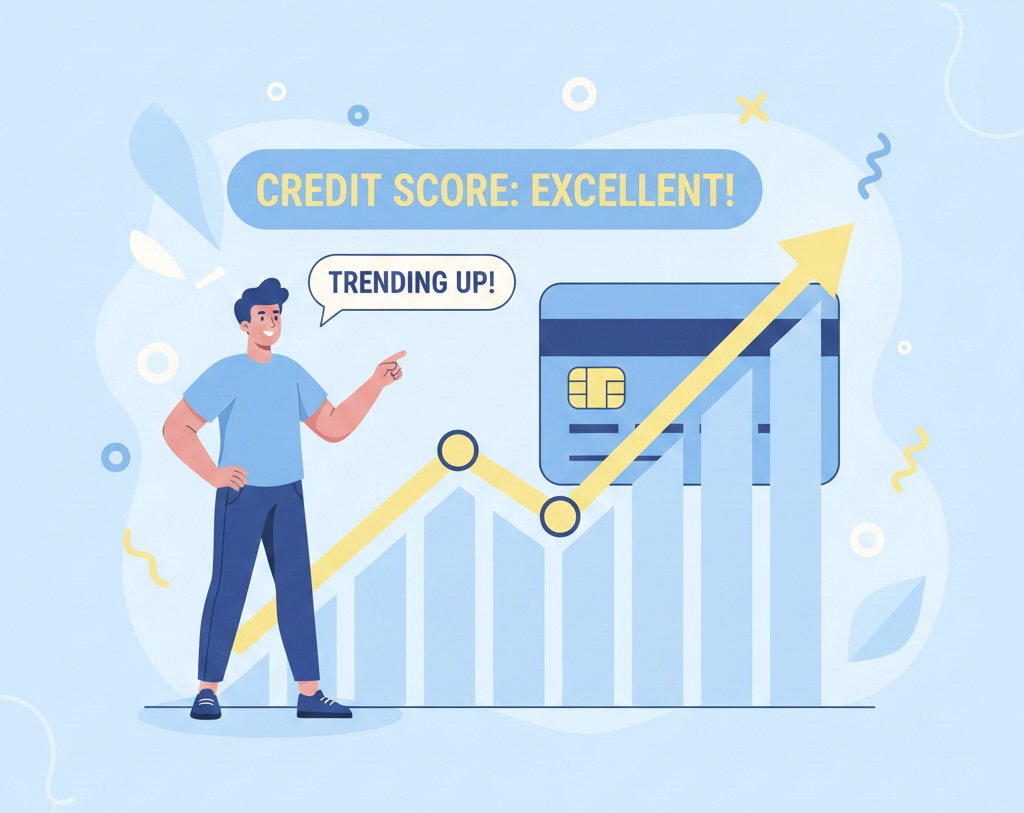
Loan mistakes are common, but they are also preventable. With awareness, careful planning, and responsible borrowing, you can protect your credit score and build a stronger financial future. Brightside Loans, is committed to helping you make smarter financial decisions — because your brighter financial future begins with the right choices today.